What is SEO? A Complete Guide for Beginners
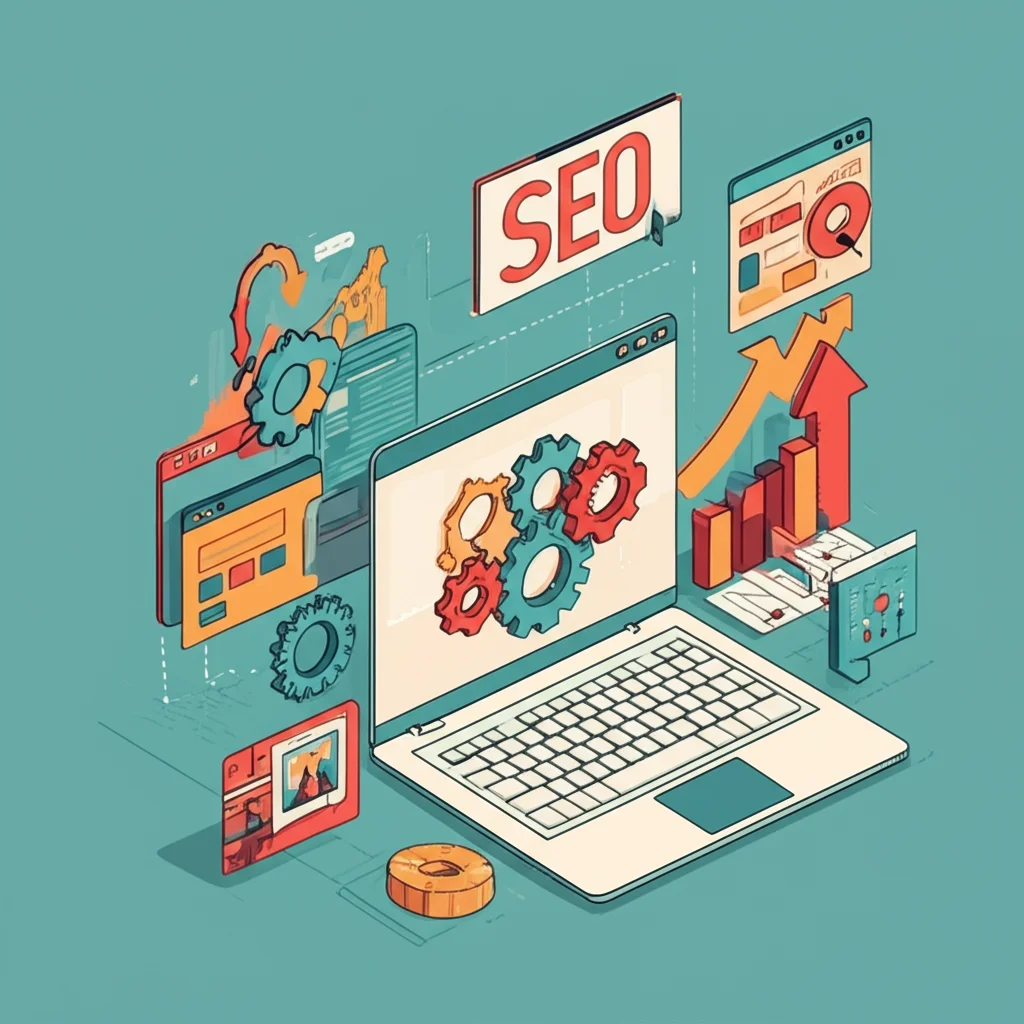
introduction: One of the most effective strategies in digital marketing is search engine optimisation (SEO). If you have ever asked yourself what is SEO, you are already one step closer to boosting your online visibility. In today’s digital-first era, where billions of people search on Google, Bing, and other search engines daily, SEO plays a critical role in ensuring that your website, products, and services are visible to the right audience. In this in-depth guide, we will explain what is SEO in digital marketing, dive into concepts like on-page SEO, off-page SEO, and local SEO, and break down essential terms such as backlinks. By the end of this article, you’ll have an advanced understanding of how SEO works and how you can use it effectively to grow your business or personal brand. What is SEO? Search engine optimisation (SEO) is the process of making websites, content, and online assets better in order to raise their ranking in search engine results pages (SERPs). Attracting natural search engine traffic without solely depending on sponsored ads is the ultimate aim of SEO. In order to find the most relevant content for a user’s query, search engines such as Google use sophisticated algorithms. Making your website work with these algorithms is the art and science of search engine optimisation. Effective SEO enhances user experience, visibility, and quality traffic. What is SEO in Digital Marketing? SEO is the foundation of visibility in digital marketing. While channels like social media marketing, email campaigns, and paid ads are effective, SEO takes a long-term approach. When marketers talk about what is SEO in digital marketing, they mean integrating SEO strategies into a broader online marketing plan to: For example, if you own a bakery in New York, SEO makes sure that your company shows up in the top results when someone searches for “best bakery near me.” This is where local SEO becomes particularly important. Why is SEO Important in Today’s World? How Search Engines Work Before diving deeper into on-page and off-page SEO, you must understand the basics of how search engines work: What is On-Page SEO? On-Page SEO refers to optimization activities that you perform within your website to improve rankings. This includes: Example: If you run a blog post about what is SEO in digital marketing, optimizing key phrases, headings, and internal links ensures Google understands the content. What is Off-Page SEO? Activities that develop authority and trust outside of your website are referred to as off-page SEO. The most influential factor here is backlinks. Primary techniques include: If on-page SEO tells Google who you are, off-page SEO convinces Google why it should trust you. What is Technical SEO? The process of improving a website’s technical elements so that search engines can effectively crawl, index, and comprehend the content is known as technical SEO. It focuses on improving the backend structure and performance of your site, which directly impacts your search engine rankings and user experience. Key Components of Technical SEO: What is Local SEO? The process of making your website more visible in local search results is known as local SEO. It is crucial for businesses with a physical location or service area. Key features of Local SEO: Essentially, local SEO ensures your business dominates in its geographical market. What is a Backlink? A backlink is a hyperlink pointing to another website that gives search engines a sense of authority and trust. High-quality backlinks help improve rankings, drive traffic, and increase website credibility. Types of Backlinks Guest Post Backlinks: links that you receive from creating content for other websites. DoFollow Backlinks: Pass authority to your site. NoFollow Backlinks: Do not pass authority, but still add value. Editorial Backlinks: Natural links from trusted sites. Future of SEO and AI-driven Search SEO is evolving rapidly with artificial intelligence, machine learning, and voice search. As AI-driven systems like Google’s BERT and MUM become more advanced, traditional keyword stuffing becomes obsolete. Future trends include: Conclusion: So, what is SEO? It is the practice of making your content and website highly visible on search engines. In digital marketing, SEO forms the backbone of organic growth by ensuring users find your business when they are searching for solutions you provide. By understanding on-page SEO, off-page SEO, local SEO, and the importance of backlinks, you can pave the path toward online success. Whether you’re a startup, local business, or established brand, SEO is no longer optional — it’s essential. If you have any queries, fill in the form below!