Blog

What is SEO
Blog

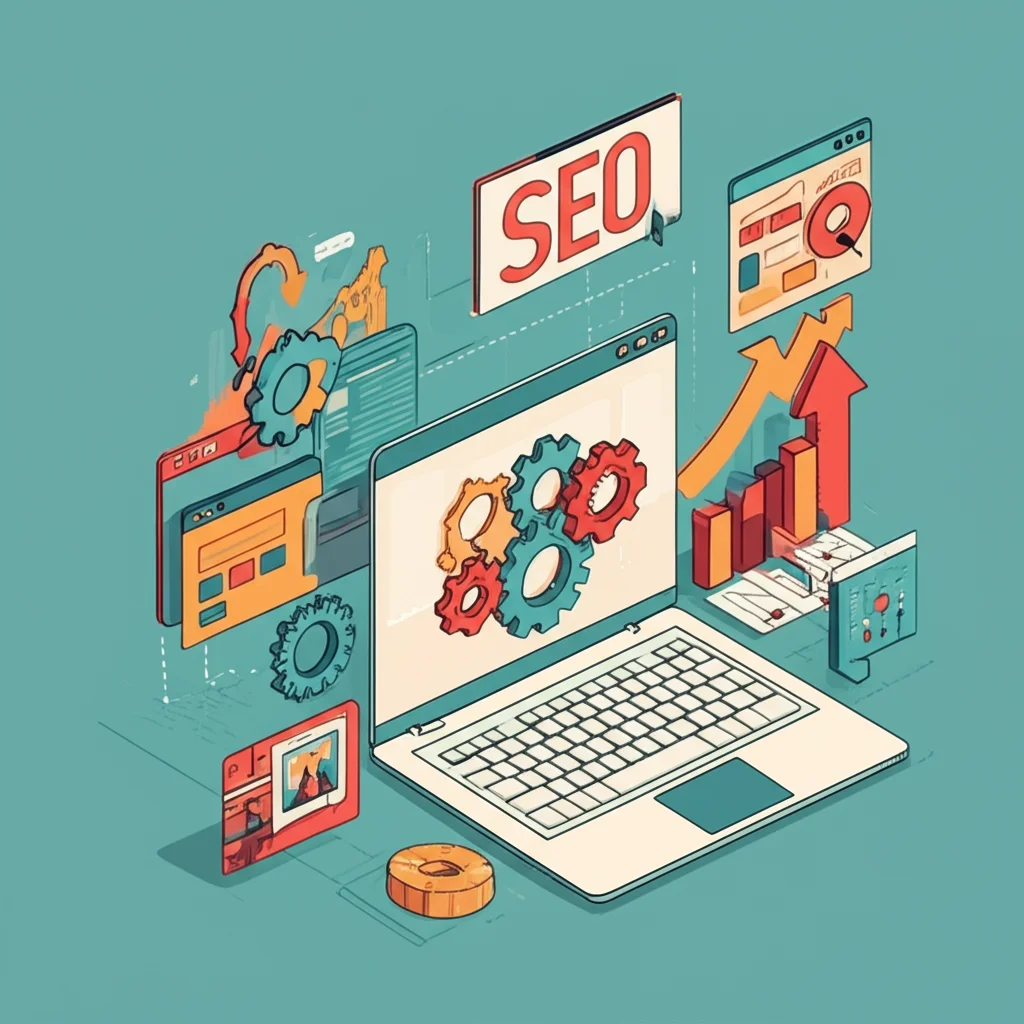
What is SEO? A Complete Guide for Beginners 

introduction: One of the most effective strategies in digital marketing is search engine optimisation (SEO). If you have ever asked yourself what is SEO, you are already one step closer to boosting your online visibility. In today’s digital-first era, where billions of people search on Google, Bing, and other search engines daily, SEO plays a critical role in ensuring that your website, products, and services are visible to the right audience. In this in-depth guide, we will explain what is SEO in digital marketing, dive into concepts like on-page SEO, off-page SEO, and local SEO, and break down essential terms such as backlinks. By the end of this article, you’ll have an advanced understanding of how SEO works and how you can use it effectively to grow your business or personal brand. What is SEO? Search engine optimisation (SEO) is the process of making websites, content, and online assets better in order to raise their ranking in search engine results pages (SERPs). Attracting natural search engine traffic without solely depending on sponsored ads is the ultimate aim of SEO. In order to find the most relevant content for a user’s query, search engines such as Google use sophisticated algorithms. Making your website work with these algorithms is the art and science of search engine optimisation. Effective SEO enhances user experience, visibility, and quality traffic. What is SEO in Digital Marketing? SEO is the foundation of visibility in digital marketing. While channels like social media marketing, email campaigns, and paid ads are effective, SEO takes a long-term approach. When marketers talk about what is SEO in digital marketing, they mean integrating SEO strategies into a broader online marketing plan to: For example, if you own a bakery in New York, SEO makes sure that your company shows up in the top results when someone searches for “best bakery near me.” This is where local SEO becomes particularly important. Why is SEO Important in Today’s World? How Search Engines Work Before diving deeper into on-page and off-page SEO, you must understand the basics of how search engines work: What is On-Page SEO? On-Page SEO refers to optimization activities that you perform within your website to improve rankings. This includes: Example: If you run a blog post about what is SEO in digital marketing, optimizing key phrases, headings, and internal links ensures Google understands the content. What is Off-Page SEO? Activities that develop authority and trust outside of your website are referred to as off-page SEO. The most influential factor here is backlinks. Primary techniques include: If on-page SEO tells Google who you are, off-page SEO convinces Google why it should trust you. What is Technical SEO? The process of improving a website’s technical elements so that search engines can effectively crawl, index, and comprehend the content is known as technical SEO. It focuses on improving the backend structure and performance of your site, which directly impacts your search engine rankings and user experience. Key Components of Technical SEO: What is Local SEO? The process of making your website more visible in local search results is known as local SEO. It is crucial for businesses with a physical location or service area. Key features of Local SEO: Essentially, local SEO ensures your business dominates in its geographical market. What is a Backlink? A backlink is a hyperlink pointing to another website that gives search engines a sense of authority and trust. High-quality backlinks help improve rankings, drive traffic, and increase website credibility. Types of Backlinks Guest Post Backlinks: links that you receive from creating content for other websites. DoFollow Backlinks: Pass authority to your site. NoFollow Backlinks: Do not pass authority, but still add value. Editorial Backlinks: Natural links from trusted sites.  Future of SEO and AI-driven Search SEO is evolving rapidly with artificial intelligence, machine learning, and voice search. As AI-driven systems like Google’s BERT and MUM become more advanced, traditional keyword stuffing becomes obsolete. Future trends include: Conclusion: So, what is SEO? It is the practice of making your content and website highly visible on search engines. In digital marketing, SEO forms the backbone of organic growth by ensuring users find your business when they are searching for solutions you provide. By understanding on-page SEO, off-page SEO, local SEO, and the importance of backlinks, you can pave the path toward online success. Whether you’re a startup, local business, or established brand, SEO is no longer optional — it’s essential. If you have any queries, fill in the form below!
What is PPC?
Blog

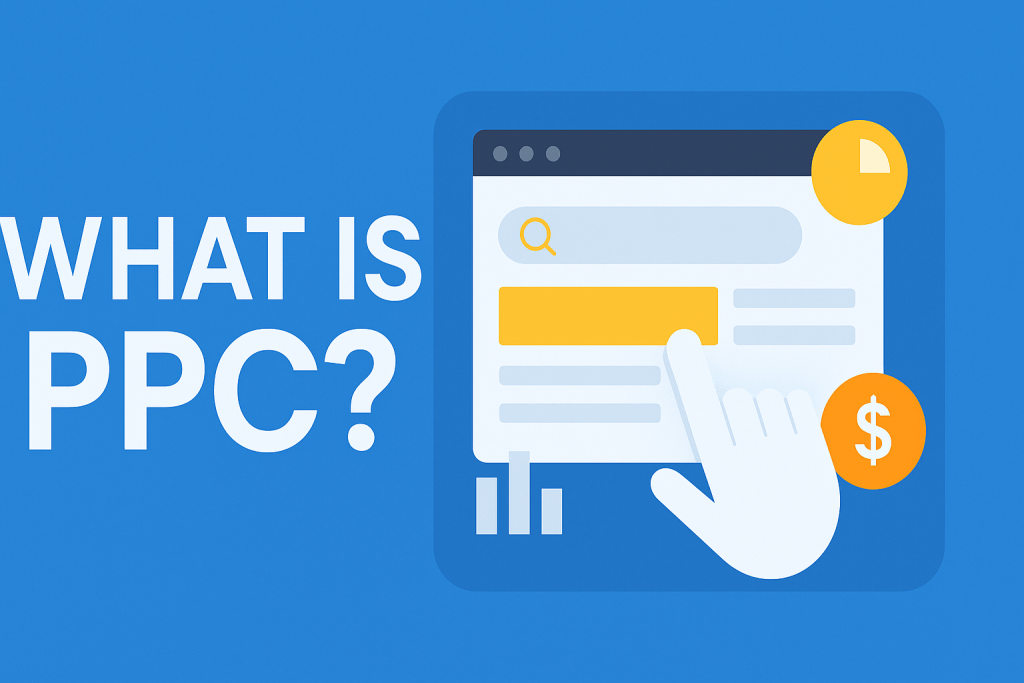
What is PPC? A Complete Guide to Pay-Per-Click Advertising

Introduction: If you’ve ever searched for something on Google and noticed sponsored results at the very top, then you’ve already encountered PPC in action. Pay-per-click, or PPC, is one of the most effective types of internet advertising. But for many business owners, marketers, and curious readers, questions like “What is PPC?”, “What is PPC in digital marketing?”, and “What is PPC advertising?” often come up. What is PPC? A Simple Definition Pay-per-click, or PPC, is a digital advertising model in which companies are charged a fee each time a user clicks on their advertisement. Instead of earning visitors organically (like through search engine optimization), PPC allows you to buy visits to your site. The concept is fairly straightforward: Think of it this way: instead of placing a billboard and hoping people driving by will notice it, PPC ensures your ad is shown directly to people already searching for your product or service. What is PPC in Digital Marketing? When people ask What is PPC in digital marketing? They’re really asking how this strategy fits into the broader world of online marketing. Digital marketing encompasses all the ways businesses connect with audiences online — from email campaigns to SEO, social media, and content marketing. PPC is a critical piece of that puzzle because: So, PPC in digital marketing is essentially the paid side of your online visibility strategy. It complements organic initiatives to increase efficacy and reach.  What is PPC Advertising? What is PPC advertising? can be understood as the same as the PPC model itself: it’s the practice of running ads under the pay-per-click structure. PPC advertising involves: Because of its laser-focused targeting and ability to produce fast results, PPC advertising has become one of the most popular strategies for companies of all sizes. How Does PPC Work? Keywords, bidding, and ads are the three main components of PPC. A simplified process looks something like this: The Benefits of PPC Advertising: Why do businesses invest in PPC advertising? The benefits are numerous: Understanding Keywords and Bidding Keywords are the backbone of search-based PPC. Advertisers select: Bidding strategies vary: Quality Score and Ad Rank Explained Not all ads are created equal. Search engines use metrics like Quality Score (ad relevance, landing page quality, and expected CTR) to determine Ad Rank (which position your ad shows up in). Even if your competitor bids more, a higher quality score can land you the top spot for less money. This ensures that users see the most helpful ads — a win-win for advertisers and consumers.  How to Create a Successful PPC Campaign Launching a successful PPC advertising campaign involves several steps: Common Mistakes to Avoid in PPC Even seasoned marketers make mistakes. Common pitfalls include: The Future of PPC in Digital Marketing As technology evolves, so does PPC. Current and future trends include: Finding a balance between automation and human creativity will always be a challenge.  Final Thoughts: When people ask, What is PPC? the real answer is this: PPC is one of the most effective, flexible, and measurable marketing tools available in the digital world today. Whether you’re a solo entrepreneur, a growing e-commerce shop, or a large business, PPC can deliver the clarity and scalability that businesses need to thrive online. By understanding what is PPC in digital marketing? And what is PPC advertising? You’ve taken the first step toward leveraging this powerful model. With smart strategy, targeted execution, and careful measurement, PPC can deliver consistent traffic, high-intent customers, and measurable returns that fuel long-term growth. If you have any queries, fill in the form below!

What is Digital Marketing?
Blog

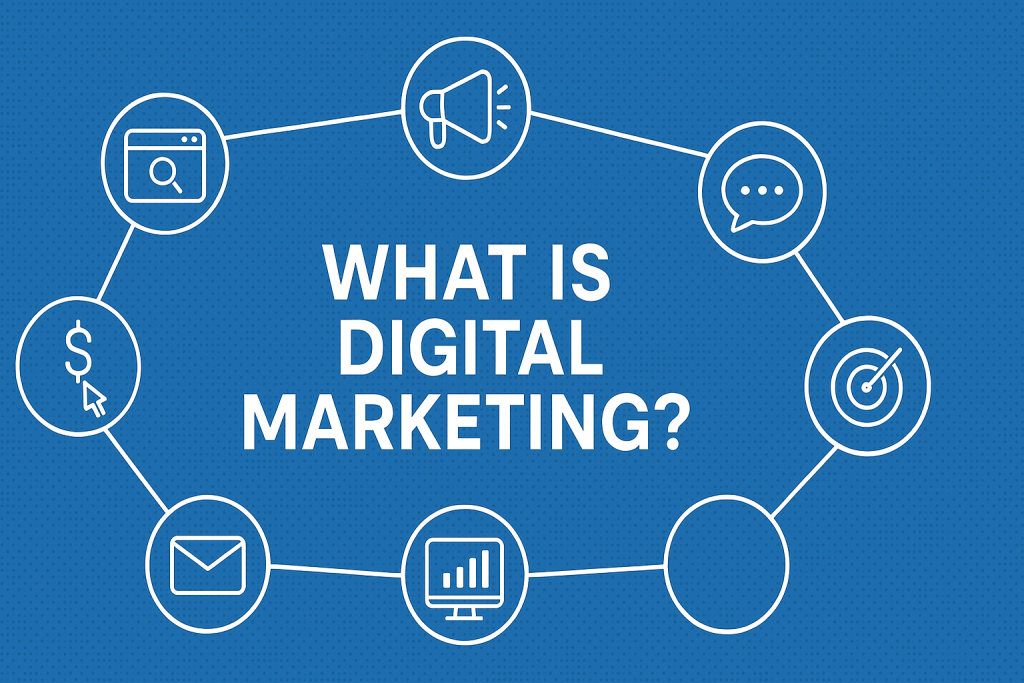
What is Digital Marketing? A Complete Guide for Beginners and Businesses

Introduction: Today’s firms have a different approach to reaching their customers. Gone are the days when companies relied only on newspapers, TV commercials, and billboards to promote their products. Now, with smartphones in every hand and the internet dominating every aspect of life, the rules of marketing have shifted online. This brings us to an important question: what is digital marketing? Simply put, digital marketing is the promotion of products, services, or brands using digital platforms and the internet. But this definition alone doesn’t do justice to the vast opportunities and strategies that digital marketing offers. Whether you are a small local business or a global enterprise, digital marketing is now the most effective way to connect with your audience, drive sales, and build brand loyalty. In this blog, we’ll explore what is digital marketing? , why it matters, how it works, types of digital marketing, and how it can help businesses grow. Understanding the Basics: What is Digital Marketing? If we break it down, “digital” means using technology and the internet, while “marketing” is about promoting and selling products or services. Digital marketing, then, is the process of reaching and interacting with customers through digital channels, including websites, social media, search engines, email, and mobile apps. For example, when you see an ad on Instagram, receive an email newsletter from your favorite store, or search on Google and click on a company’s website, you are experiencing digital marketing. It’s not limited to ads only. Digital marketing also includes building trust, creating valuable content, and offering solutions to people’s needs online. The ultimate goal is to attract potential customers, convert them into buyers, and retain them for long-term business growth. Why is Digital Marketing Important Today? Now that we know what is digital marketing? The next big question is – why is it so important? Here are some powerful reasons: Types of Digital Marketing To truly understand what is digital marketing?, you need to know the different types. Each method plays a unique role in helping businesses grow. 1. Search Engine Optimization (SEO) Optimising your website to rank better on search engines like Google is known as SEO. Businesses with strong SEO, for instance, appear first when someone searches for “best coffee shop near me. SEO involves keyword research, content creation, and technical improvements. READ MORE: https://digitalajeet.site/seo-services/ 2. Pay-Per-Click Advertising (PPC) PPC is a paid form of digital marketing where businesses pay for every click on their ads. Google Ads is the most common platform for PPC. It gives instant results and helps drive targeted traffic. READ MORE: https://digitalajeet.site/pay-per-click-ppc/ 3. Social Media Marketing (SMM) Platforms like Facebook, Instagram, LinkedIn, and Twitter are powerful tools for engaging audiences. Social media marketing involves creating content, running ads, and building communities around your brand. READ MORE: https://digitalajeet.site/social-media-marketing/ 4. Content Marketing The goal of content marketing is to draw in and inform consumers by producing high-quality material (blogs, videos, infographics, and podcasts). It’s about solving problems and building trust. READ MORE: https://digitalajeet.site/content-marketing/ 5. Email Marketing Email marketing allows businesses to send personalized messages directly to customers. From newsletters to promotional offers, it’s a cost-effective way to stay connected. READ MORE: https://digitalajeet.site/email-marketing/ 6. Mobile Marketing This covers mobile-friendly content, in-app advertisements, and SMS promotions. Mobile marketing is more crucial than ever because the majority of people use smartphones. READ MORE: https://digitalajeet.site/mobile-marketing/ 7. Video Marketing One of the most popular multimedia formats in use today is video. Brands use platforms like YouTube and TikTok to share engaging video content. READ MORE How Does Digital Marketing Work? To answer, what is digital marketing? Fully, we need to understand how it works step by step: Benefits of Digital Marketing for Businesses Every business, regardless of size or industry, is asking the same question: How can I grow faster and reach more customers without overspending? The answer lies in digital marketing. Let’s examine each of the main advantages of digital marketing: 1. Global Reach Traditional marketing is limited to specific regions. If you run a print ad in Delhi, only people in Delhi will see it. But digital marketing has no borders. With the internet, a small shop in India can sell products to someone in the USA or Europe. Platforms like Google and Facebook allow you to reach audiences worldwide at the click of a button. 2. Cost-Effectiveness Running a TV commercial or putting up a billboard can cost lakhs of rupees, and even then, you can’t track exactly who saw it. In contrast, digital marketing lets you advertise with even ₹500 or $10 and reach hundreds or thousands of people. Small businesses love digital marketing because it gives them big results without breaking the bank. 3. Measurable Results The inability to determine whether traditional advertising was successful is one of the main sources of annoyance. Did the newspaper ad bring new customers? You’ll never know. But digital marketing gives clear answers. Tools like Google Analytics, Facebook Insights, and email dashboards show how many people saw your ad, clicked on it, or bought from you. 4. Targeted Marketing Instead of reaching “everyone,” digital marketing lets you laser-focus your audience. For example, if you own a gym, you can target people in your city who are aged 20–40 and interested in fitness. This way, your money is spent only on people who are likely to become customers. 5. Improved Customer Engagement Digital platforms allow two-way communication. Customers can comment on your posts, reply to your emails, or send you direct messages. This interaction builds trust and helps you create long-lasting relationships with your audience. 6. High ROI (Return on Investment) Email marketing and SEO are two examples of digital marketing channels that offer some of the best returns on investment in the company sector. A well-optimized SEO strategy can keep bringing in leads for years, even after you stop spending money on ads. Challenges in Digital Marketing Despite the enormous advantages, digital marketing is not without its difficulties. Understanding these challenges helps businesses prepare better: 1. High Competition

Scroll to Top